
Negative reviews • Better decisions

How to avoid a poor pet insurance choice

A disappointing claim can reveal a problem, but a public blacklist needs comparable evidence. Separate a bad fit, a disputed decision and a documented pattern.

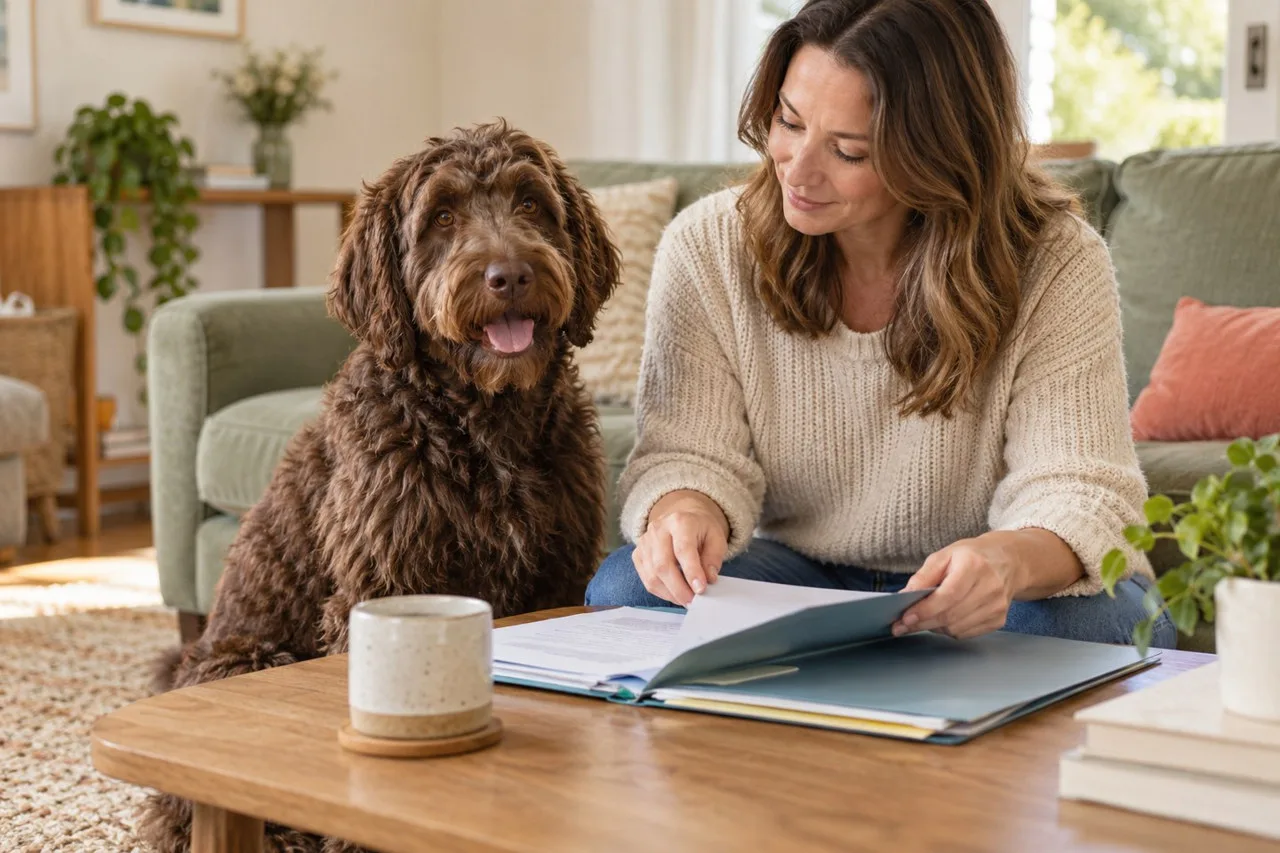
Owner reviewing a folder beside a curly-coated brown dog
✓ Policy-first ✓ Independent ✓ Useful checks
Direct answer
There is no defensible universal list of the worst pet insurance companies in the evidence reviewed here. Customer stories and complaint totals do not establish comparable pet-claim denial rates. To avoid a poor choice, identify the exact insurer and policy, investigate repeated unresolved problems, and reject offers that fail a benefit or payment requirement you cannot compromise on.
What to know

First decide what the bad experience actually was

Reported experience Evidence needed Question it can answer
“They denied everything.” Decision letters, disputed benefits and relevant policy clauses. Were expenses excluded, or was a coverage decision contested?
“They paid nothing.” Eligible amount, deductible applied and explanation of payment. Was there a denial or an eligible expense below the deductible?
“My claim disappeared.” Submission receipt, outstanding requests and status correspondence. Is there a processing or communication problem to investigate?
“The price jumped.” Renewal offer and prior settings for the same pet. What changed in the price or contract, without inventing the cause?

These distinctions do not dismiss an owner’s experience. They make it possible to ask for a specific remedy. A corrected missing document, a recalculated benefit and a challenge to an exclusion require different evidence.

Quotes

Why complaint counts are not denial rates

A denial rate would need a defined set of pet claims, a consistent definition of denial and a denominator of claims assessed over the same period. A collection of online complaints does not supply those ingredients. Do not divide negative reviews by all reviews and label the result a claim-denial percentage.

The NAIC’s consumer tools can help investigate company complaints, licensing and financial information. Match the legal insurer, insurance line and period before comparing results. If a metric combines business beyond the pet product, state that limitation rather than presenting it as a pet-only score.

A small number of serious reports can justify more questions. A large raw count can also reflect a larger book of business. Neither observation alone proves who is worst. For this guide, no standardized nationwide pet-claim denial dataset was established, so no company is assigned a denial-rate rank.

What to know

Use a stop rule instead of an angry star average

A contractual mismatch

Do not select a plan that excludes the benefit you need merely because most reviewers like it.

An unresolved operational requirement

If paying the whole bill first is impossible, resolve the payment arrangement at the actual clinic before purchasing.

That can be workable for one household and unsuitable for another that cannot advance the bill. It is a product fit issue, not an accusation about misconduct.

Pets Best currently describes prescription coverage as an optional BestBenefit feature. If that option is absent from an offer and medication protection is essential to you, the offer needs correction or rejection. A company-level statement that prescriptions are covered would not answer the selected-plan question.

These examples are not a worst-company shortlist. They show how a verifiable feature can support a concrete decision without manufacturing a reputation verdict.

What to know

Investigate a pattern before making it decisive

  • Find several reports about the same specific issue, keeping different product versions separate.
  • Look for what happened after the initial complaint: correction, further explanation, unresolved dispute or unknown outcome.
  • Distinguish an owner allegation from an insurer reply and from a regulator’s formal finding.
  • Ask the prospective insurer a narrow question using the concern, without assuming the allegation is proven.

Save the actual policy answer beside the concern. If the response does not address it, mark it unresolved rather than giving a guessed pass. A provider that answers clearly may still have an unsuitable contract; reassuring service cannot change a written exclusion.

Claims

If it is your claim, focus on the remedy

Ask for the disputed line item, the clause applied and the records supporting the decision. Supply accurate missing evidence and follow the company’s reconsideration instructions and deadlines. Keep communications in order rather than repeatedly sending an expanding, contradictory account.

If the matter remains unresolved, your state insurance department is the official place to ask about an insurance complaint. Regulatory attention does not guarantee reversal. Separately evaluate replacement coverage before cancelling: a new policy can treat an already-developed condition differently.

The useful endpoint is a resolved issue or a documented reason to choose another offer. A blacklist without reliable comparative evidence cannot do either job for you.

Evidence

Sources and policy context

These public references support the consumer or veterinary context. Named insurer details were checked in official product materials; the policy offered for your pet and state determines the actual terms.

Next step

Compare Current Pet Insurance Rates

Check current options for your pet and location, then compare the policy details, exclusions, costs, and eligibility before choosing.

Compare the policy before you choose Check the actual offer, exclusions and out-of-pocket terms.
See Rate Options